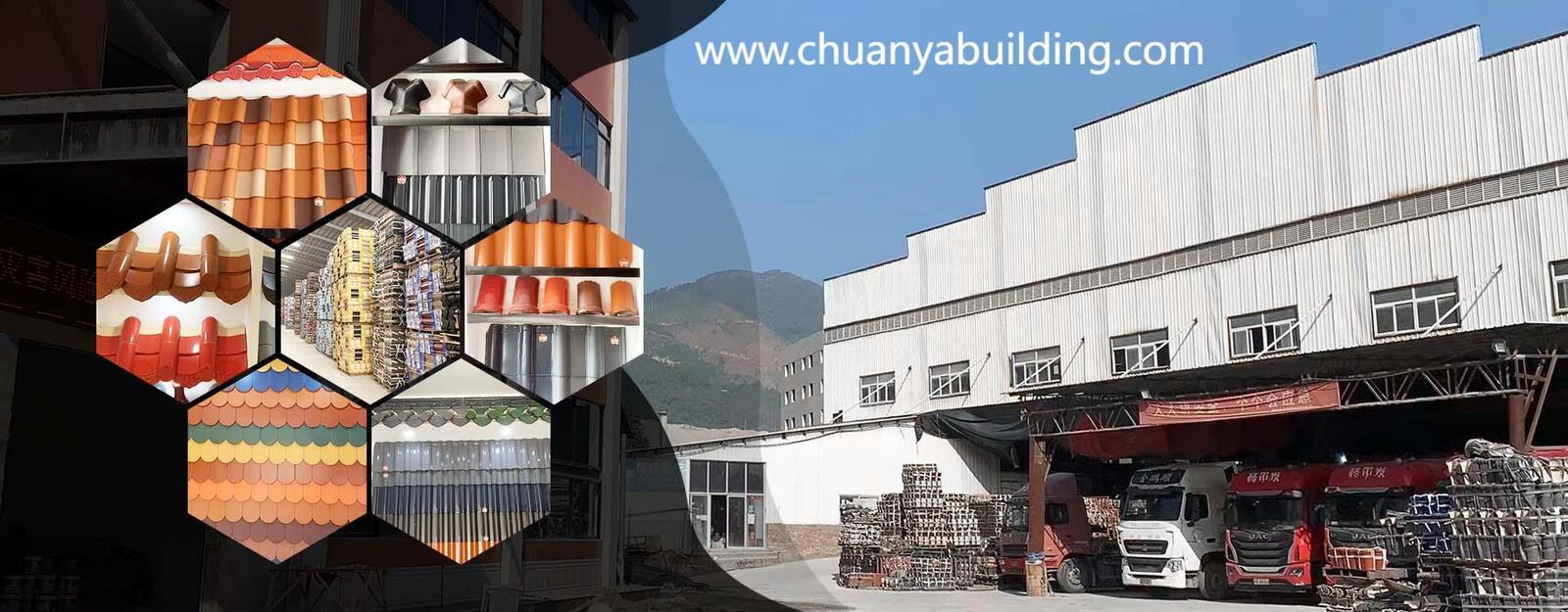
The conversation around a China Roof Tile Factory has gradually expanded beyond production itself, and when chuanyabuilding appears in this discussion, it often invites reflection on how manufacturing influences architectural thinking today?
Roof tiles have long been associated with protection and structure, yet modern construction places equal attention on visual harmony, environmental response, and long term adaptability. Factories involved in roof tile production are now viewed as contributors to architectural outcomes rather than background suppliers.
Regional manufacturing background plays a role in this shift. China has developed extensive experience in material processing, forming techniques, and surface treatment through decades of construction practice. This accumulated knowledge influences how factories respond to diverse building concepts across different climates and markets.
Global projects increasingly rely on standardized coordination. Architects and planners seek materials that align with design intent while remaining practical for installation and maintenance. Manufacturing facilities that understand this balance tend to integrate more smoothly into international project planning.
Application scenarios for roof tiles have also diversified. Industrial buildings, commercial spaces, and residential developments often require different visual tones and structural responses. Factories that recognize these distinctions can better support varied construction narratives without altering core production stability.
Another topic gaining attention is the relationship between material perception and building identity. Roof surfaces contribute significantly to how structures are recognized within their surroundings. Consistency in appearance and form helps maintain architectural continuity across large scale developments.
Manufacturing environments influence this outcome indirectly. Controlled workflows, organized handling, and clear internal standards affect surface uniformity and structural reliability. These elements shape how roof tiles perform once installed, even if they remain unseen during procurement discussions.
Cross market collaboration further highlights communication awareness. International partners often evaluate how factories interpret specifications and respond to contextual questions. Shared understanding reduces adjustment cycles and supports clearer alignment between design teams and production teams.
Industry observers also note the evolving expectations placed on factories regarding adaptability. Construction timelines fluctuate, design priorities shift, and coordination across borders introduces complexity. Facilities that maintain operational clarity while accommodating reasonable adjustments are often perceived as reliable partners.
Sustainability perception has entered architectural dialogue as well. While technical details vary, overall manufacturing responsibility influences how materials are positioned within project narratives. Thoughtful production environments reflect broader construction values without relying on promotional language.
As building practices continue to evolve, factories are no longer viewed as distant production points. They represent a link between conceptual planning and physical realization. Understanding this connection helps buyers and designers approach sourcing decisions with broader awareness.
For readers interested in exploring related insights and industry perspectives connected to chuanyabuilding, further information is available through the official site below: https://www.chuanyabuilding.com/news/industry-news/the-ultimate-guide-to-choosing-the-right-china-roof-tile-factory.html

 Everywhere
 Members
 Albums