Smart buildings demand advanced comfort systems in 2026. Where to Install Smart Climate Solution and HVAC 2026 is a common question. Businesses and homeowners seek efficient and intelligent cooling systems. Modern technology now improves performance, automation, and energy savings.
Choosing the right location determines system efficiency and lifespan. Where to Install Smart Climate Solution and HVAC 2026 depends on property design. Climate conditions, insulation, and occupancy patterns also influence placement. Strategic installation reduces energy waste and improves indoor comfort.
An energy efficient ac system lowers power consumption significantly. It combines inverter technology, smart sensors, and adaptive airflow control. Correct placement enhances cooling speed and consistent temperature management. Proper installation ensures long term durability and reduced maintenance costs.
Understanding Smart Climate Systems
Smart climate systems combine automation with traditional HVAC infrastructure. They monitor temperature, humidity, and air quality continuously. Advanced sensors adjust cooling output automatically. This technology minimizes manual intervention and improves performance.
A smart thermostat communicates with the central HVAC unit. It learns user behavior and optimizes daily cooling cycles. Remote control features allow management through mobile applications. Integration with home automation platforms enhances convenience.
Importance of Proper Installation Location
System location directly impacts cooling efficiency. Poor placement causes airflow restrictions and uneven temperature distribution. Professional planning avoids unnecessary structural modifications. Correct positioning ensures balanced airflow across rooms.
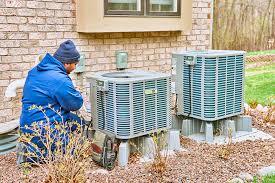
Outdoor units require proper ventilation space. They should avoid direct sunlight and obstructed airflow areas. Indoor units must remain away from heat generating appliances. Ceiling height and room dimensions also affect placement decisions.
Where to Install in Residential Properties
Living rooms are ideal for central cooling systems. These areas experience maximum occupancy during daytime hours. Wall mounted units should face open spaces. Avoid installing units above doors or windows.
Bedrooms require quieter indoor units. Install units above head level for uniform airflow. Ensure airflow does not blow directly onto occupants. This prevents discomfort and health issues.
Kitchens demand careful installation planning. Avoid placing units near stoves or ovens. Excess heat reduces cooling efficiency. Proper ventilation prevents grease accumulation in filters.
Where to Install in Commercial Buildings
Office spaces benefit from centralized HVAC systems. Install systems within false ceilings for concealed ducting. Proper zoning ensures balanced temperature across departments. Conference rooms require dedicated airflow control systems.
Retail stores need consistent cooling across display areas. Install units near high traffic sections. Maintain open airflow pathways to prevent temperature variation. Avoid obstructing units with shelving or decorative panels.
Hospitals require specialized climate solutions. Install systems that maintain sterile airflow conditions. Isolation rooms demand independent cooling controls. Regular maintenance ensures compliance with safety standards.
Outdoor Unit Placement Guidelines
Outdoor units must remain on stable surfaces. Concrete pads prevent vibration and noise disturbances. Maintain sufficient clearance around the unit. Restricted airflow reduces compressor efficiency.
Avoid placing units near dusty environments. Dust accumulation damages condenser coils over time. Install protective covers for harsh weather regions. Elevated platforms prevent water damage during floods.
Indoor Unit Placement Best Practices
Indoor units should remain centrally positioned. Central placement promotes uniform cooling. Keep units away from direct sunlight exposure. Sunlight interferes with thermostat accuracy.
Install units at recommended height levels. Manufacturers provide specific installation guidelines. Ensure filters remain easily accessible for cleaning. Maintenance accessibility extends system lifespan.
Role of Insulation and Building Design
Good insulation improves cooling retention. Poor insulation increases system workload significantly. Install climate systems in well sealed spaces. Seal gaps around windows and doors.
Building orientation affects cooling requirements. South facing rooms receive more sunlight exposure. Install additional zoning in heat intensive areas. Smart sensors adjust cooling based on occupancy.
Energy Efficiency and Cost Savings
An energy efficient ac reduces electricity bills. Inverter compressors adjust speed based on cooling demand. This prevents unnecessary power spikes. Lower energy usage supports environmental sustainability goals.
Smart climate systems monitor energy consumption patterns. Users receive detailed usage reports. Data insights help reduce unnecessary cooling hours. Automation optimizes cooling during peak heat periods.
Government incentives often support energy efficient upgrades. Businesses benefit from reduced operational expenses. Homeowners gain long term financial savings. Efficient systems also increase property value.
Integration with Smart Technology
Smart HVAC integrates with IoT platforms. Voice assistants enable hands free temperature control. Mobile applications allow remote monitoring and scheduling. Cloud based analytics improve predictive maintenance.
Sensors detect occupancy and adjust airflow automatically. Smart zoning cools only occupied spaces. This significantly lowers energy consumption. Integration improves comfort and convenience simultaneously.
Maintenance Considerations
Regular maintenance ensures optimal performance. Clean filters every month during heavy usage. Blocked filters restrict airflow efficiency. Schedule professional inspections annually.
Check refrigerant levels periodically. Low refrigerant reduces cooling capacity. Inspect electrical connections for safety compliance. Preventive maintenance extends system lifespan.
Common Installation Mistakes to Avoid
Avoid installing units near heat sources. Heat exposure reduces sensor accuracy. Do not block airflow with furniture. Restricted airflow causes uneven cooling.
Improper outdoor unit clearance reduces efficiency. Ignoring manufacturer guidelines voids warranties. DIY installations often cause performance issues. Always consult certified HVAC professionals.
Future Trends in Smart Climate Solutions 2026
AI driven automation enhances system intelligence. Predictive analytics prevents unexpected breakdowns. Energy storage integration improves sustainability. Solar powered HVAC systems gain popularity.
Hybrid cooling systems combine multiple technologies. Advanced refrigerants reduce environmental impact. Smart grid connectivity balances electricity demand. Innovation continues to reshape climate control systems.
Frequently Asked Questions (FAQs)
1. What is the best location for installing HVAC systems?
Install HVAC systems in central, open areas. Ensure proper ventilation and avoid heat sources.
2. Why is outdoor unit placement important?
Proper placement improves airflow efficiency. It also prevents overheating and compressor damage.
3. How does an energy efficient ac save money?
It reduces electricity consumption using inverter technology. Lower energy usage decreases monthly utility bills.
4. Can smart HVAC systems work with solar panels?
Yes, many modern systems support solar integration. This improves sustainability and reduces grid dependency.
5. How often should HVAC systems be serviced?
Service systems at least once annually. Frequent maintenance ensures optimal performance and longevity.

 Everywhere
 Members
 Albums