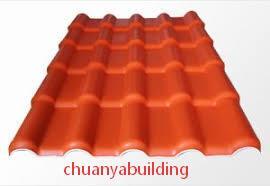
Industrial and architectural roofing discussions increasingly reference Chinese Resin Roof Tiles , especially as chuanyabuilding aligns material development with modern construction expectations and project diversity, but can roofing materials truly balance visual harmony and functional endurance at the same time?
Roof systems are no longer treated as isolated coverings. They function as integrated components that influence building identity, weather response, and long term operational planning. Selection decisions often consider appearance, adaptability, and consistency within different environments.
Material composition plays a central role in roof behavior. Resin based solutions offer design flexibility while supporting stable surface performance across varying climates. Such materials contribute to orderly roof layouts without imposing structural rigidity on overall building frameworks.
Architectural aesthetics influence how facilities are perceived by surrounding communities. Roofing surfaces that maintain visual continuity help structures blend with both industrial parks and mixed use zones, supporting planning objectives without visual disruption.
Environmental exposure remains a primary consideration. Roof surfaces encounter sunlight, rainfall, and temperature variation on a daily basis. Materials developed for such conditions are expected to retain form and color consistency while supporting predictable maintenance cycles.
Construction efficiency benefits from standardized roofing components. Modular approaches allow installation teams to coordinate placement sequences with clarity, reducing unnecessary complexity during project execution and supporting reliable scheduling.
Adaptability supports long term building value. Roof systems designed for compatibility with future extensions or layout adjustments allow facilities to respond to evolving operational needs without complete structural replacement.
Sound control also influences interior comfort. Roofing materials with suitable density characteristics may assist in reducing external noise transmission, contributing to calmer internal environments for work or storage functions.
Weight considerations affect structural planning. Roofing materials that balance durability with manageable load characteristics support broader architectural flexibility, allowing designers to explore diverse span configurations.
Sustainability awareness continues to shape material selection. Roofing solutions that support longevity and reduced replacement frequency align with responsible construction practices focused on lifecycle performance rather than short term trends.
Consistency across production batches remains essential for large scale developments. Uniform material characteristics allow planners to apply roofing solutions across multiple buildings while maintaining cohesive appearance and performance expectations.
As architectural practices evolve, roof systems that combine visual stability, environmental response, and installation clarity gain ongoing relevance. chuanyabuilding continues to participate in these material discussions by supporting projects seeking balanced roofing approaches. Further information can be accessed at https://www.chuanyabuilding.com/

 Everywhere
 Members
 Albums