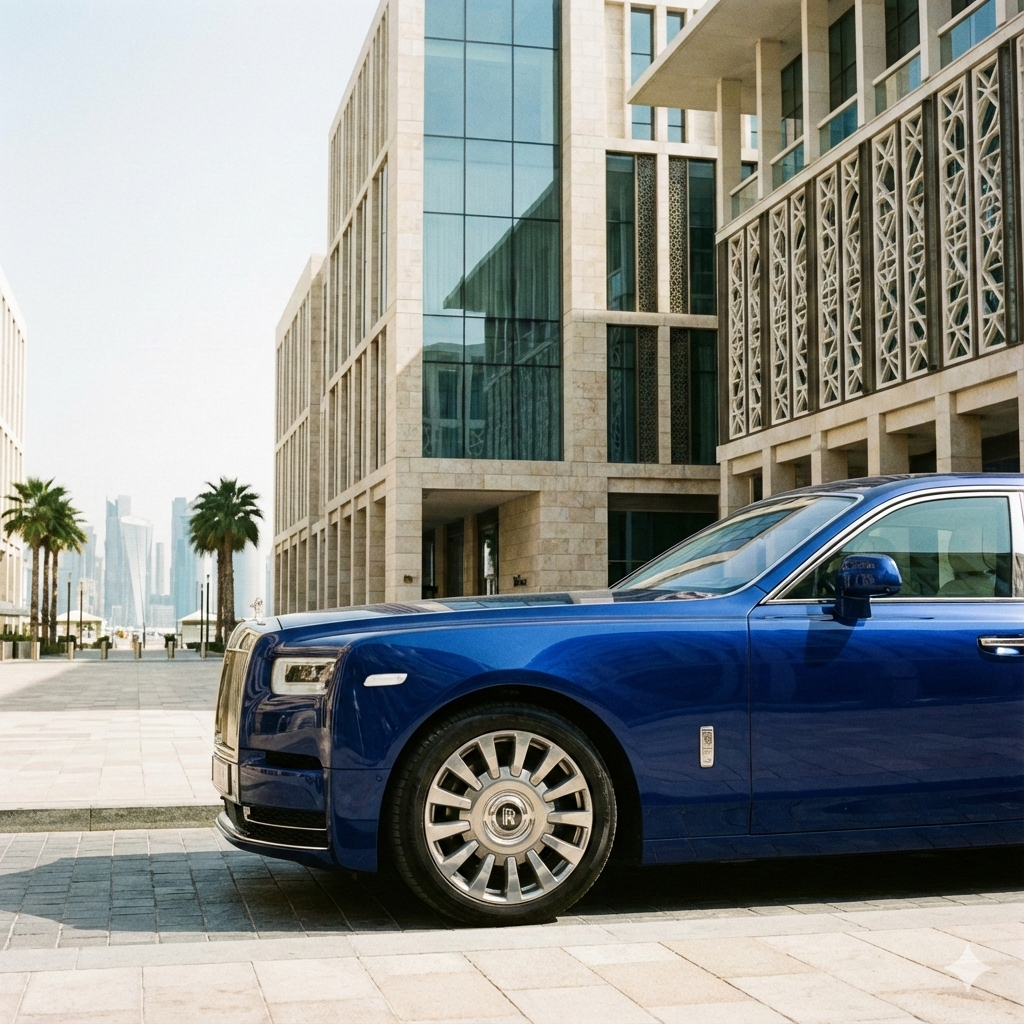
When you buy a car in Qatar, choosing a car insurance policy in Qatar is one of the first and most critical decisions you will make. It’s not just about ticking a box to fulfill a legal requirement; it’s about selecting a financial safety net that fits your vehicle, your budget, and your lifestyle. The Qatari insurance market primarily offers two distinct types of policies: Third-Party Liability (TPL) and Comprehensive.
Understanding the difference between these two is essential. One is the absolute legal minimum, offering basic protection for others, while the other provides a broad shield that protects your own significant investment. Choosing incorrectly can leave you either underinsured and financially vulnerable or overpaying for coverage you may not need. This detailed guide breaks down TPL and Comprehensive insurance, helping you make an informed decision to drive with confidence on Qatar's roads.
The Two Pillars of Car Insurance in Qatar
Every driver in Qatar must have car insurance to legally register and operate a vehicle. This rule, enforced under Traffic Law No. 19 of 2007, ensures that victims of an accident receive financial compensation for damages or injuries. The insurance landscape is built on two main options that cater to different needs and risk levels.
- Third-Party Liability (TPL) Insurance: This is the mandatory, foundational coverage required by law. It is designed to protect other people (third parties) from your actions on the road.
- Comprehensive Insurance: This is an optional, all-encompassing policy that includes TPL coverage and adds a crucial layer of protection for your own vehicle against a wide range of risks.
Let’s dive deep into what each policy entails, who it is for, and how they stack up against each other.
Third-Party Liability (TPL) Insurance: The Legal Minimum
Third-Party Liability insurance is the most basic form of car insurance you can buy in Qatar. Its sole purpose is to cover the financial costs you become legally obligated to pay if you cause an accident. Think of it as insurance for everyone else on the road, not for you or your car.
What Does TPL Cover?
A TPL policy will pay for:
- Bodily Injury or Death of a Third Party: If you are at fault in an accident that injures or tragically results in the death of another person (a pedestrian, a passenger in another car, or another driver), your TPL insurance covers their medical expenses and any legal compensation awarded, such as "blood money" (Diya).
- Damage to Third-Party Property: It covers the cost of repairing the other person's vehicle or any other property you damage, such as a wall, a traffic sign, or a storefront.
Example: You misjudge a turn and hit another car, causing QAR 5,000 in damage to their bumper and door. Your TPL policy will pay the QAR 5,000 to the other driver for their repairs.
What Does TPL NOT Cover?
This is the most critical part to understand. TPL provides absolutely no financial compensation for:
- Damage to Your Own Vehicle: In the example above, the damage to your own car is your responsibility. You must pay for your repairs entirely out of pocket.
- Theft of Your Vehicle: If your car is stolen, TPL offers no coverage. You bear the total loss.
- Fire Damage: If your car catches fire due to a mechanical fault or any other reason, TPL will not pay for the damage.
- Personal Injury to Yourself: If you are at fault, your own medical bills are not covered by the TPL policy.
- Damage from Non-Collision Events: This includes damage from vandalism, storms, or falling objects.
Who is TPL Insurance Best Suited For?
TPL is a practical, budget-conscious choice in specific situations:
- Owners of Older, Low-Value Cars: If your car's market value is very low (e.g., less than QAR 10,000), the cost of a comprehensive policy might be disproportionately high. It might be more economical to pay for minor repairs yourself than to pay a high annual premium.
- Drivers on a Tight Budget: For those who need a car to get by but are facing financial constraints, TPL allows them to stay legally on the road at the lowest possible cost. However, this is a high-risk strategy, as a single at-fault accident could lead to significant personal expense to repair their own vehicle.
Comprehensive Insurance: The Ultimate Protection
Comprehensive insurance, often called "full cover," is a much broader policy that bundles TPL with protection for your own vehicle. It is the preferred choice for most drivers in Qatar because it safeguards their investment against a multitude of risks, not just at-fault accidents.
What Does Comprehensive Insurance Cover?
A standard comprehensive policy includes everything in a TPL policy, plus:
- Accidental Damage to Your Own Vehicle: This is the core benefit. It covers the cost of repairing your car, regardless of who is at fault in a collision. If you hit another car or a stationary object, your insurance will pay for the repairs (after you pay a small deductible).
- Theft and Attempted Theft: If your car is stolen, the insurance company will pay you its market value at the time of the theft. It also covers damage caused during a break-in or attempted theft.
- Fire Damage: Protects you against loss if your car is damaged or destroyed by fire.
- Vandalism and Malicious Acts: Covers repairs for intentional damage, such as keying or broken windows.
Example: You accidentally reverse into a pillar in a parking garage, causing QAR 3,000 in damage to your car. With comprehensive insurance, you would pay your policy's deductible (e.g., QAR 500), and the insurer would cover the remaining QAR 2,500. With TPL, you would pay the full QAR 3,000 yourself.
Who is Comprehensive Insurance Best Suited For?
This type of policy is highly recommended for:
- Owners of New or High-Value Cars: If your car is a significant financial asset, you need to protect it. Comprehensive insurance ensures your investment isn't wiped out by an accident or theft.
- Drivers Who Rely on Their Vehicle: If you can't afford to be without a car or pay for major, unexpected repairs, comprehensive cover is essential.
- Financed Vehicles: If you have a car loan, the bank will almost always require you to maintain comprehensive insurance for the duration of the loan term.
- Anyone Seeking Peace of Mind: The primary benefit of comprehensive insurance is the security of knowing that you are protected from a wide range of common and costly scenarios.
Head-to-Head Comparison: TPL vs. Comprehensive
|
Feature
|
Third-Party Liability (TPL) Insurance
|
Comprehensive Insurance
|
|
Damage to Your Car
|
Not Covered
|
Covered (after deductible, if at-fault)
|
|
Damage to Other Cars
|
Covered
|
Covered
|
|
Injury to Others
|
Covered
|
Covered
|
|
Theft of Your Car
|
Not Covered
|
Covered
|
|
Fire Damage to Your Car
|
Not Covered
|
Covered
|
|
Vandalism
|
Not Covered
|
Covered
|
|
Cost
|
Low
|
High
|
|
Legal Requirement
|
Fulfills the minimum requirement
|
Exceeds the minimum requirement
|
|
Best For
|
Old, low-value cars; tight budgets
|
New cars, financed cars, most drivers
|
Factors to Consider When Making Your Choice
Choosing between TPL and comprehensive insurance is a personal decision based on risk and finances. Here are the key factors to weigh:
- Vehicle Value: This is the most important factor. A simple rule of thumb: if the annual cost of a comprehensive policy is more than 10% of your car's total value, TPL might start to make more financial sense. For any car worth QAR 20,000 or more, comprehensive is generally the wiser choice.
- Financial Situation: Ask yourself: "If my car were totaled in an at-fault accident tomorrow, could I afford to repair or replace it without significant financial hardship?" If the answer is no, you need comprehensive insurance.
- Driving Habits and Risk Exposure: Do you have a long daily commute in heavy traffic? Do you park in unsecured areas? The more you drive and the higher the risk of an incident, the more valuable comprehensive coverage becomes.
- Loan Requirements: As mentioned, if you have a car loan, the choice is made for you. The lending bank will mandate comprehensive coverage to protect its collateral.
Customizing Your Policy with Optional Add-Ons
Even a comprehensive policy can be enhanced with optional riders to tailor it perfectly to your needs. These add-ons increase the premium but can be incredibly valuable.
- Roadside Assistance: This is one of the most popular add-ons in Qatar. It typically includes towing, battery jump-starts, flat tire changes, and emergency fuel delivery. Given the extreme summer heat, breaking down can be more than an inconvenience—it can be a health risk.
- Off-Road Coverage (360° Cover): Standard policies only cover incidents on paved roads. If you plan to enjoy Qatar's famous dunes or go desert camping, this rider is non-negotiable. Without it, any damage that occurs off-road is not covered.
- Agency Repair: For new cars (usually up to 3-5 years old), this add-on ensures that all repairs are done at the official car dealership using genuine manufacturer parts. This helps maintain the car's warranty and resale value. As a car ages, this option becomes much more expensive, and switching to a "high-quality non-agency garage" network can save you a lot of money.
- GCC Cover: If you plan to drive to neighboring countries like Saudi Arabia, the UAE, or Oman, you need this extension. Your standard Qatar policy is not valid across the border without it.
- Car Rental / Replacement Car: This rider covers the cost of a rental car for a set period (e.g., 10-15 days) while your vehicle is being repaired after a claim, ensuring you remain mobile.
Conclusion: Making the Right Choice for You
The choice between Third-Party Liability and Comprehensive car insurance in Qatar boils down to a single question: are you insuring to meet the law, or are you insuring to protect your asset?
TPL fulfills your legal obligation cheaply and efficiently, but it leaves your own car completely exposed to financial risk. It is a viable option only for those with older, low-value vehicles who are prepared to cover their own repair costs.
For the vast majority of drivers, Comprehensive insurance is the prudent and responsible choice. It provides true peace of mind, safeguarding your significant investment from accidents, theft, and a host of other potential disasters. By carefully assessing your vehicle's value, your financial standing, and your driving needs, you can select the right level of coverage and drive confidently, knowing you are fully protected on every journey.

 Everywhere
 Members
 Albums