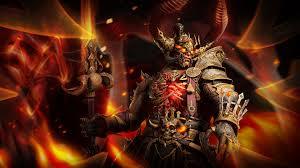
For many adventurers in Diablo 4 Items, the true game begins only after the campaign's credits roll. The sprawling story of Lilith and Inarius serves as a gripping prologue to an endless pursuit of power within the harsh expanses of Sanctuary. This is the domain of the endgame, a meticulously crafted cycle of challenges and rewards designed to test builds, dedication, and luck. At its heart lies a simple, compulsive drive: the pursuit of marginal gains through an ever-escalating ladder of difficulty and the eternal hope for that one, perfect drop.
The cornerstone of this post-campaign life is the **Nightmare Dungeon**. These are not new locations, but transformed versions of the game's many dungeons, corrupted by malignant Sigils. A Sigil applies specific, often punishing afflictions—enemies might explode on death, or lightning bolts may strike randomly—while significantly boosting monster levels and rewards. The primary goal is to defeat a timed boss, but the real challenge is survival and efficiency. Successfully clearing a dungeon allows players to craft higher-tier Sigils, pushing into ever more difficult levels. This system creates a clear, self-directed progression path. The thrill comes from refining your build and tactics to conquer tiers that once seemed impossible, chasing the powerful Glyph experience earned within to strengthen your Paragon board.
Parallel to this dungeon delving is the relentless hunt for **Legendary** and, ultimately, Unique items. In the endgame, every activity feeds this cycle. Helltide events blanket regions in demonic fury, offering coveted crafting materials. World Bosses require coordinated takedowns for high-tier loot. Tree of Whispers bounties provide targeted goals. Yet, the core activity remains slaughtering hordes of demons with the hope that a slain Elite monster will erupt in a shower of orange and gold beams. The excitement of identifying a new **Legendary**, assessing its affixes, and determining if it enables a new build or perfectly optimizes an old one, is the fundamental dopamine loop of the action RPG. The search for the ultra-rare Unique items, with their world-altering powers, can define a player's entire season.
This structure is given rhythm and renewal through the Seasonal model. Every few months, a new theme, mechanic, and journey arrive, asking players to create fresh characters to experience it. Seasons introduce new ways to engage with the core loop, whether through malignant hearts, vampiric powers, or other transformative systems. They offer new cosmetics, new story threads, and a reset leaderboard, reigniting the communal race to conquer the highest-tier content. It is a cycle of rebirth, ensuring the endgame never grows completely stale and providing a regular invitation for both veterans and lapsed players to return.
Ultimately, *Diablo IV*'s endgame understands its genre's heritage. It is a game about numbers getting bigger, about conquering escalating challenges through refined character power. It offers a spectrum of engagement, from casual Helltide farming to the intense, mathematical optimization required for pushing high-level **Nightmare Dungeons**. It is a testament to the simple, enduring appeal of the loot hunt, set against a beautifully dark and reactive world where every slain demon is a step toward greater, but never absolute, power.

 Everywhere
 Members
 Albums