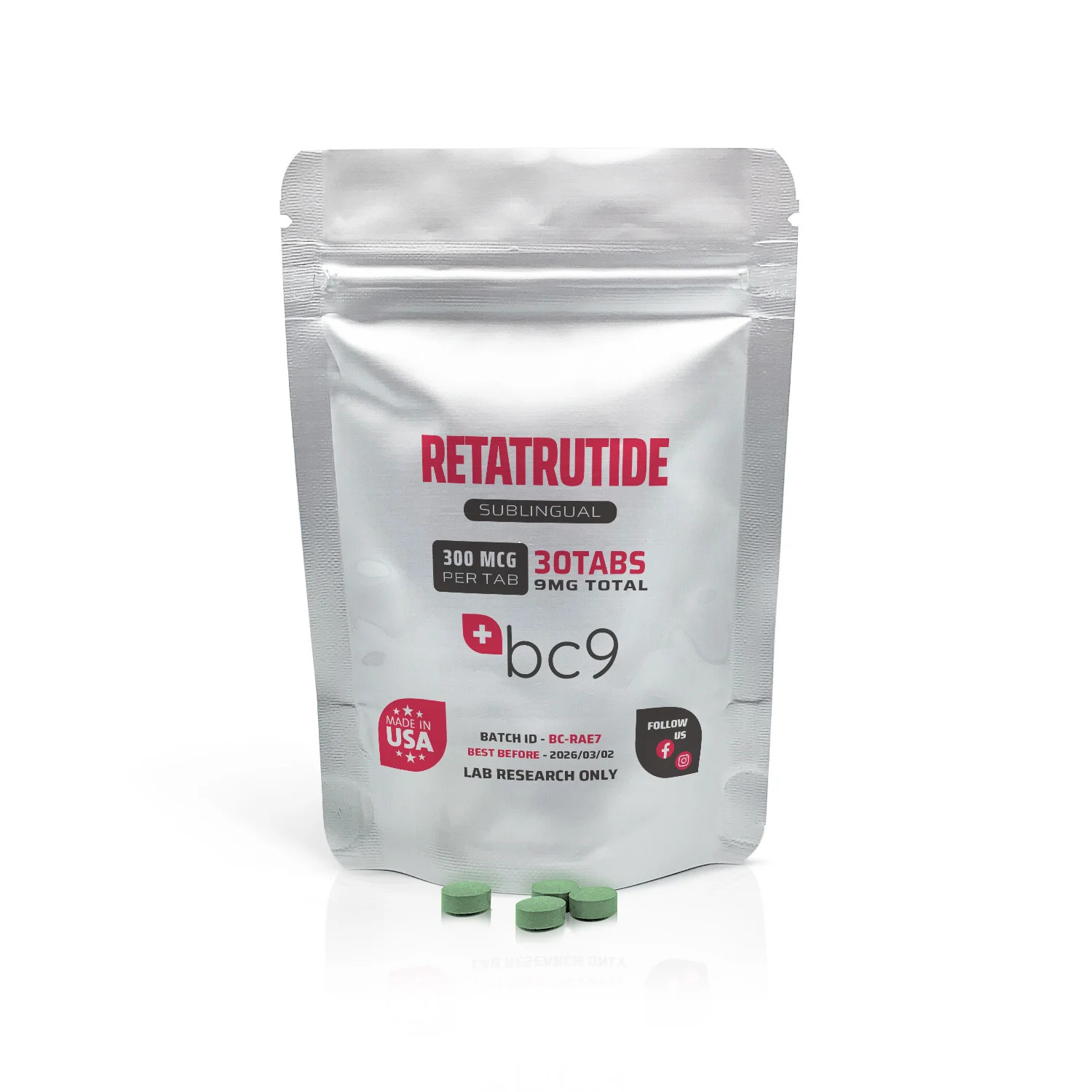
Retatrutide pills represent a next-generation approach to metabolic therapy, translating the pharmacological sophistication of peptide agonists into an oral dosage form. Retatrutide is a tri-agonist peptide engineered to activate the glucagon-like peptide-1 (GLP-1), glucose-dependent insulinotropic polypeptide (GIP), and glucagon (GCGR) receptors. This multi-receptor profile is designed to address energy balance, glycemic regulation, and lipid metabolism within a single molecular framework. The development of retatrutide pills reflects advances in oral peptide delivery that overcome historical barriers associated with gastrointestinal degradation and poor intestinal absorption.
Molecular Architecture and Receptor Targeting
Retatrutide is structurally optimized to engage three complementary metabolic signaling pathways:
- GLP-1 receptor activation enhances glucose-dependent insulin secretion and moderates appetite signaling.
- GIP receptor activation supports insulinotropic effects and may improve adipose tissue metabolism.
- Glucagon receptor activation promotes energy expenditure and lipid mobilization.
The coordinated activation of these receptors distinguishes retatrutide pills from mono-agonist and dual-agonist peptide therapies, enabling a broader metabolic response that aligns with contemporary understanding of obesity and metabolic disease as multifactorial conditions.
Oral Peptide Technology Behind Retatrutide Pills
Delivering peptides orally requires a precise combination of molecular stabilization and formulation science. Retatrutide pills utilize advanced oral peptide technology that addresses three critical challenges:
- Proteolytic stability – The peptide backbone incorporates modifications that reduce susceptibility to gastric and pancreatic enzymes.
- Epithelial permeability – Absorption enhancers and carrier systems facilitate transcellular or paracellular transport across the intestinal epithelium.
- First-pass metabolism management – Formulation strategies are designed to preserve bioactivity during hepatic processing.
Together, these innovations allow retatrutide pills to achieve therapeutically relevant systemic exposure without injectable administration.
Pharmacokinetic Profile of Oral Retatrutide
The pharmacokinetics of retatrutide pills are shaped by controlled release and absorption dynamics. Following oral administration, the peptide is protected through the gastric phase, released in the small intestine, and absorbed into the portal circulation. The resulting plasma concentration curve is engineered for sustained receptor engagement rather than sharp peaks, supporting consistent metabolic signaling throughout the dosing interval.
Key pharmacokinetic characteristics include:
- Gradual systemic exposure
- Extended receptor occupancy
- Reduced variability compared to unprotected oral peptides
Cellular Signaling and Metabolic Effects
At the cellular level, retatrutide pills initiate a cascade of intracellular signaling events:
- Activation of cyclic AMP (cAMP) pathways in pancreatic β-cells
- Modulation of hypothalamic appetite centers
- Upregulation of hepatic lipid oxidation pathways
- Enhancement of peripheral insulin sensitivity
These combined effects translate into coordinated regulation of glucose homeostasis, appetite control, and energy expenditure.
Comparison With Injectable Peptide Therapies
While injectable peptide therapies have established clinical efficacy, retatrutide pills offer distinct formulation-driven advantages:
- Non-invasive administration improves patient adherence in long-term metabolic management.
- Stable pharmacodynamic profiles reduce fluctuations associated with injection timing.
- Scalable manufacturing and distribution align with broader population-level treatment strategies.
The oral format does not alter the core pharmacology of retatrutide but expands its accessibility and practical utility.
Safety and Tolerability Considerations
Oral peptide delivery introduces formulation-specific considerations related to gastrointestinal exposure and systemic absorption. Retatrutide pills are engineered to minimize local irritation and maintain predictable systemic signaling. Ongoing evaluations focus on receptor selectivity, metabolic balance, and long-term tolerability as part of the broader clinical development landscape.
Future Outlook for Retatrutide Pills
The emergence of retatrutide pills signals a shift in how complex peptide therapeutics may be deployed in metabolic medicine. As oral peptide technologies mature, tri-agonist molecules like retatrutide are positioned to influence future standards of care by combining molecular breadth with patient-friendly administration.
Conclusion
Retatrutide pills exemplify the convergence of peptide pharmacology and oral delivery innovation. Through tri-receptor targeting and advanced formulation design, they offer a comprehensive metabolic intervention within a convenient oral format. As research continues to refine oral peptide systems, retatrutide pills stand as a benchmark for the future of non-injectable peptide therapeutics.

 Everywhere
 Members
 Albums