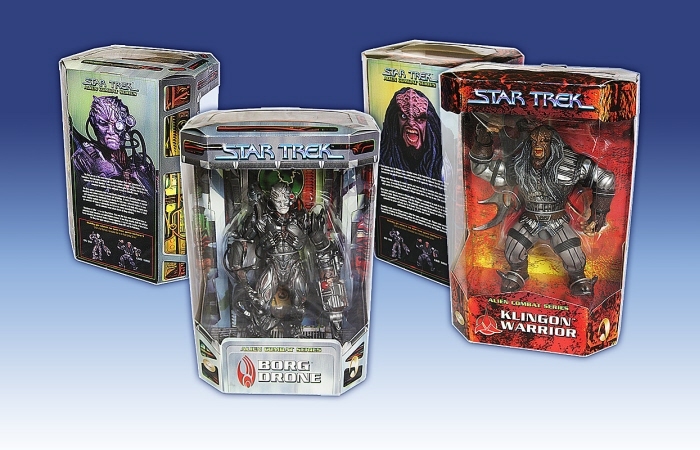
Brand experiences for children begin the moment they encounter products in stores or receive gifts. Packaging creates first impressions that shape how young customers perceive brands and form loyalty. Thoughtful design elements transform simple product containers into memorable experiences children treasure and remember. Companies competing for young audiences understand that packaging must deliver excitement beyond basic protection. Children develop brand preferences early that influence purchasing decisions throughout their lives significantly over time. Understanding how packaging enhances experiences helps brands build lasting relationships with young customers and families.
Why Does Visual Storytelling Connect with Young Imaginations?
Packaging graphics that tell stories engage children's natural love of narratives and adventure themes. Sequential images showing character adventures or product uses help children envision play possibilities they want. Story elements on packaging create emotional investment before children even open products they received recently. Visual narratives teach children about product features and play patterns through engaging illustrations rather than text. Personalized Action Figure Packaging can incorporate individual names into existing story frameworks creating unique connections. Children remember brands that spark imagination through storytelling more vividly than generic product presentations. Story driven packaging also provides conversation starters between children and parents during shopping or unpackaging.
How Do Mascots Build Recognition and Trust?
Brand mascots create friendly faces children recognize and trust across multiple product categories over years. Consistent mascot presence builds familiarity that makes children comfortable requesting products from known brands. Mascots personify brands making abstract company concepts concrete and relatable to young developing minds. Children form attachments to mascot characters similar to friendships they develop with peers at school. Packlim helps brands develop mascot integration strategies that maintain character consistency across packaging designs. Mascot driven packaging performs particularly well because children respond strongly to anthropomorphized characters they recognize. Recognition through mascots reduces perceived risk when children encounter new products from familiar brands.
What Role Does Texture Play in Sensory Engagement?
Textured packaging surfaces invite touching, creating tactile memories that enhance overall brand experiences for children. Raised elements or soft coatings provide sensory feedback that engages children beyond visual stimulation alone. Different textures help children distinguish products and brands through touch even without seeing packages. Sensory rich packaging accommodates different learning styles ensuring engagement across diverse young customer populations. Children who touch interesting textures spend more time examining packages which increases brand display. Markets in the USA show increased demand for multisensory packaging that engages children completely during. Tactile elements particularly benefit younger children still developing fine motor skills through exploratory touching.
How Does Size Appropriateness Affect Handling Experience?
Packaging sized for small hands ensures children can hold and open products independently building confidence. Oversized packaging frustrates young customers who struggle to manipulate items meant for adult handling. Appropriate sizing demonstrates brand understanding of developmental capabilities children possess at different ages currently. Easy grip features or lightweight construction allow children to carry and show products proudly. Size considerations extend to storage as children need to organize and access collections easily. Child appropriate sizing also enhances safety by preventing accidents from packages too heavy or awkward. Toy boxes designed with ergonomic considerations perform better because children handle them comfortably and successfully.
Why Do Hidden Surprises Create Delightful Discovery Moments?
Unexpected elements like hidden compartments or concealed graphics create joyful discoveries children share excitedly. Surprises extend engagement time as children explore packaging thoroughly seeking additional hidden features within. Discovery moments generate positive emotions children associate directly with brands that provide unexpected delights. Hidden elements encourage children to examine packaging carefully rather than discarding immediately after opening. Surprise features become talking points children discuss with friends building word of mouth awareness. Parents appreciate packaging that entertains children through discovery rather than requiring constant adult supervision. Brands incorporating surprises demonstrate creativity that differentiates them from competitors offering standard packaging designs.
How Does Educational Content Add Development Value?
Packaging that teaches colors, numbers, or facts provides learning opportunities parents value highly today. Educational elements justify toy purchases to caregivers concerned about developmental appropriateness of entertainment products. Children enjoy learning through play making educational packaging genuinely engaging rather than feeling like lessons. Information about product themes or characters expands knowledge while building deeper connections to brands. Age appropriate educational content ensures children can understand and benefit from information packaging provides. Parents are more willing to purchase repeatedly from brands demonstrating commitment to child development goals. Educational packaging also creates positive associations as children link learning success to brand experiences.
What Makes Reward Systems Drive Brand Loyalty Early?
Packaging incorporating collectible points or codes creates reward systems that encourage repeat brand purchases. Children motivated by earning rewards ask parents specifically for brands offering collection opportunities regularly. Point systems teach goal setting and delayed gratification while building brand loyalty simultaneously today. Rewards that children can track on packaging help them visualize progress toward desired outcomes. Digital codes linking physical products to online content bridge traditional and modern play experiences. Brands offering meaningful rewards gain competitive advantages as children actively request those specific products. Reward programs are particularly effective because children remember brands that provided valued prizes or content.
How Does Customization Make Children Feel Special?
Custom elements like name printing or color choices make children feel products were created specifically. Personalization transforms mass produced items into special possessions children value more highly than generic. Seeing their names on packaging creates ownership feelings and pride children want to display. Customization options give children agency in purchase decisions teaching preference expression and decision making. Brands offering personalization demonstrate respect for individual identity children are developing throughout childhood years. Custom packaging also reduces likelihood of loss or confusion in group settings like schools. Children receiving personalized products form stronger emotional bonds with brands that recognize their individuality.
Conclusion
Packaging enhances brand experiences for children through visual storytelling and mascot recognition that build trust. Textured surfaces and size appropriateness ensure comfortable handling while hidden surprises create delightful discoveries. Educational content adds developmental value while reward systems drive early brand loyalty formation effectively. Customization makes children feel special creating emotional connections that last beyond individual product lifespans. Brands investing in child focused packaging strategies build recognition and loyalty that influences purchasing throughout. Thoughtful packaging design transforms ordinary products into memorable experiences children associate with positive emotions.

 Everywhere
 Members
 Albums