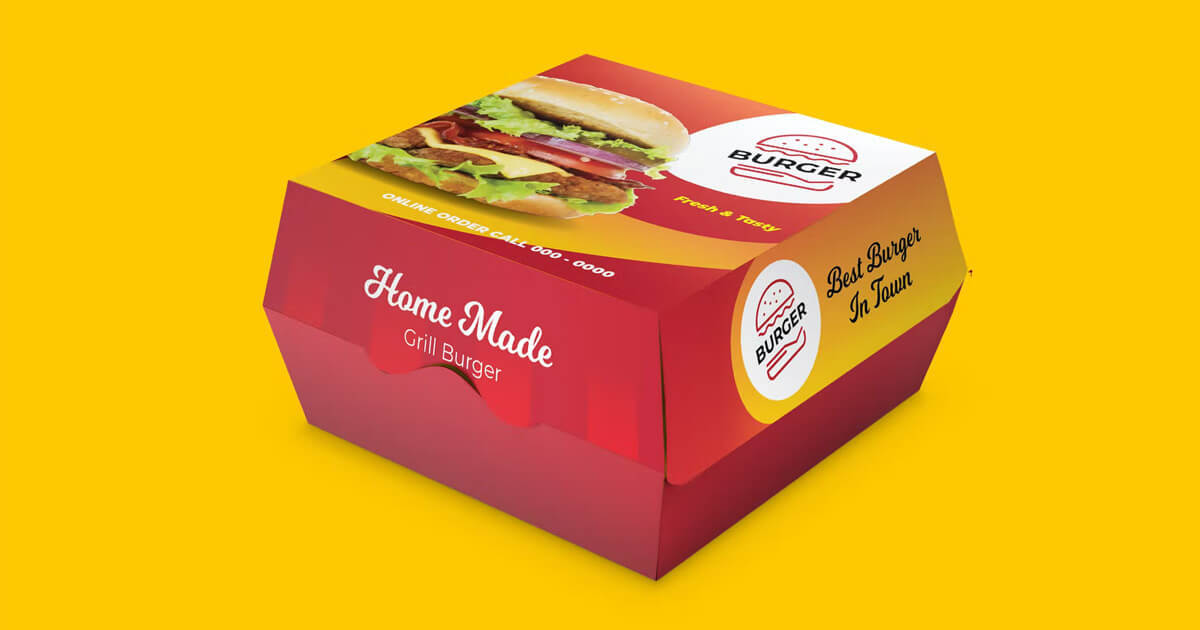
When someone sees a burger on a shelf or in a display, the first thing noticed is how the burger looks. People eat with their eyes first, which means the way a burger is shown can decide if customers want to buy. Clean presentation and packaging make a burger more attractive. In 2026, customers want more than taste, they want experience. A burger that looks fresh is more likely to catch attention in stores. Small changes, like arranging burgers properly or using clear labels, make a difference.
How Can Packaging Shape Customer Choices?
Packaging does more than hold a burger. Packaging tells a story about brand and quality. Good packaging makes a burger feel special and worth buying. In 2026, customers pay attention to packaging that shows ingredients, freshness, and use. Textures and shapes can change perception. Choosing wholesale custom boxes allows control over how a burger appears on shelf, creating consistent experience that encourages customers. Packaging connects products with customers without words. People feel a product is better when packaging is neat, organized, and functional. Some shops saw more customers picking products just because packaging looked correct. Packaging is part of the product experience, not just boxes.
What Role Does Color Play in Shelf Appeal?
Colors attract attention and make a burger stand out among many options. Red and yellow create feelings of hunger. In 2026, brands try green, black, and light shades to stand out. Customers remember colors and connect colors with taste or freshness. A green box can signal organic style, yellow can signal fun. Matching color with brand identity and audience makes recognition easier. Unique patterns on boxes help customers notice products faster. Even small use of color affects buying. Stores notice sales increase when colors match product story. Colors give customer clues without using words. This is a silent way to influence buying decisions.
How Can Design Make a Difference for Burger Display?
Design includes shape, size, and style of packaging. Boxes that open easily or show part of a burger attract attention. Customers like to see burgers without opening the package. In some shops, windows on boxes made customers trust the product more. In 2026, designs with practical functions help sales. Foldable trays, handles, or stackable boxes improve experience. Using custom food boxes helps brands create designs that fit story and purpose. A box can tell a story without words, show freshness, and organize products on the shelf. Simple design that works well often beats complex or heavy designs. Customers remember practical boxes longer than fancy boxes. Even small design changes affect perception and buying.
Why Does Brand Consistency Matter on Shelves?
Brand consistency builds trust. When customers see the same design, colors, and logo on every box, a business feels reliable. In 2026, consistency is more important because customers buy from stores, apps, and online. If packaging looks different, customers may hesitate. A burger chain in the USA kept all boxes uniform and recognition went up. Customers knew the brand instantly. Fonts, box shapes, and spacing all matter. Consistency makes the product recognizable across locations. Small mistakes like wrong logo size or label alignment confuse customers. Every part of packaging tells a story about reliability and quality.
How Can Storytelling Increase Shelf Appeal?
Storytelling makes a burger feel special. Messages about the origin of ingredients or chef ideas connect customers with the product. People like stories they can relate to, even in small print. A burger shop added a short note about tomatoes on boxes. Customers shared pictures online, and more people visited the shop. Stories build trust and engagement. Even a small story on custom boxes makes customers feel included. Packaging becomes a marketing tool without advertisements. Storytelling can be about farms, local kitchens, or family traditions. Stories turn ordinary packaging into an experience customers remember. Story creates emotional link, which often drives repeat buying. Sharing stories also spreads brand awareness naturally.
How Can Shelf Placement Affect Sales?
Where a burger is placed changes customer attention. Eye-level shelves get more views. In 2026, stores use data to track shelf traffic. Angled displays or small stands improve visibility. Placing burgers near drinks or snacks can boost impulse buying. Small businesses can group burgers by flavor or popularity for better effect. Customers like organized, easy-to-reach products. Shelf placement works with packaging to catch attention. Moving boxes a few inches higher or lower changes sales. Retailers notice which spots sell more and adjust placement. Strategic placement ensures customers notice products quickly, without extra marketing.
What Role Does Material Play in Packaging?
Material changes perception. Customers in 2026 want sustainable options. Kraft paper, recycled cardboard, or biodegradable materials show care for the environment. Box surface, rough or smooth, affects feel. Choosing the right material keeps the burger fresh and shelf-ready. Companies like Packlim offer wholesale custom burger boxes made with quality material that attract customers. Good material prevents damage and maintains appearance. Some shops noticed less product waste with stronger boxes. Material is a silent signal of quality, influencing buying without words. Sustainability also builds trust with customers who care about the environment.
How Can Labels Improve Shelf Appeal?
Labels give information without confusion. Ingredients, nutrition, and dates help customers feel safe. Fonts and clear text make reading easy. In 2026, minimal labels show product quality. Labels can highlight points like organic sauce or farm ingredients. Clear label with logo builds recognition. Small seals or stickers add trust. Labels work with box design to make the product noticeable. Customers often choose products with clear labels over similar options without labels. Label placement matters too—front and visible labels improves decision speed. The label is part of the shelf story, guiding customers quickly.
Why Is Convenience Important for Shelf Appeal?
Customers want products easy to pick, carry, and open. Convenience packaging boosts appeal. Boxes with handles, tabs, or stackable designs help. In 2026, customers value time and practicality. Even small touches like foldable tray or spill-proof design improve experience. Businesses thinking about customer use gain advantage. Convenience adds value equal to taste or price. Some customers buy from stores for take-home or delivery only if the product is easy to carry. Simple improvements to packaging convenience increase sales consistently.
How Can Marketing Tie Into Packaging?
Packaging acts as marketing. Social media posts, displays, and pictures show burgers and boxes. Good design encourages sharing, which promotes brand for free. In 2026, businesses use packaging as silent salespeople. Designs, colors, and story attract attention. Campaigns like “share your custom box moment” create engagement and repeat visits. For startups or small shops, using custom boxes from Packlim makes marketing easier because the box tells a story and draws attention. Packaging builds awareness even before a customer tastes a burger. Pictures of box online spread brand quickly, often faster than ads. Marketing and packaging work together to increase recognition and trust.
How Can Businesses Stay Ahead With Packaging Trends?
Burger businesses must watch trends and adapt. In 2026, customers look for fresh, sustainable, and simple options. Staying ahead means testing new materials, colors, designs, and practical features. Competitor analysis, customer feedback, and sales data guide decisions. Investing in wholesale custom boxes keeps products aligned with market needs. Businesses ready for trends win advantage because they meet customer expectations faster. Tracking trends also prevents mistakes, like using outdated materials or designs. Fast adaptation builds long-term customer loyalty. Trend-aware packaging makes burger shops competitive across stores, apps, and delivery channels.

 Everywhere
 Members
 Albums