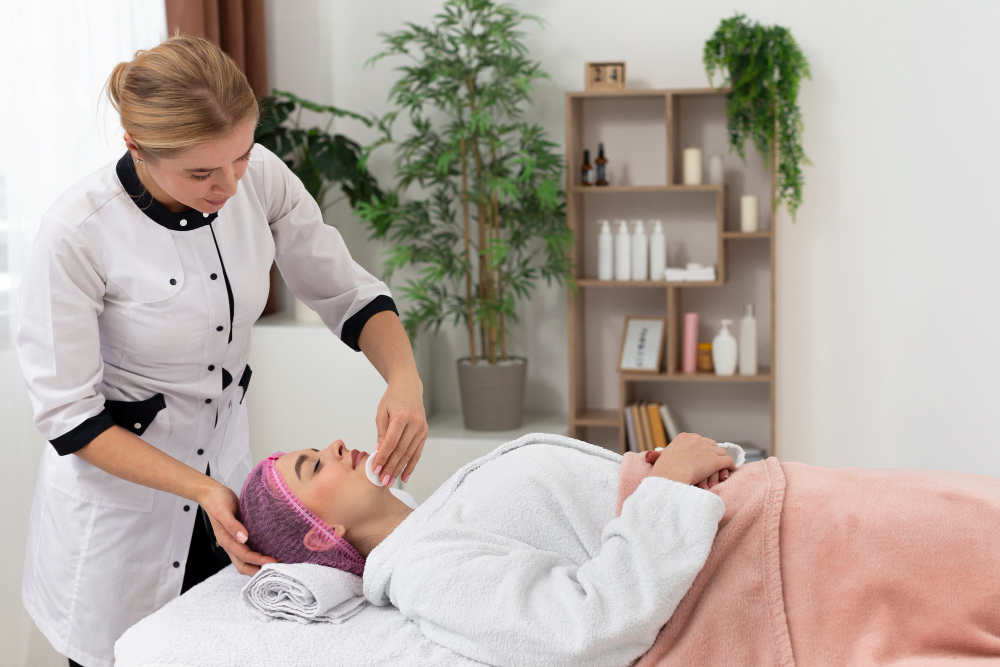
Until we suffer from some kind of vision loss, we frequently take for granted the fact that our eyesight is a genuinely valuable possession. Our eyes are prone to significant wear and tear since we use them daily to view what is happening in the world. Serious eye conditions might also present with abrupt symptoms. There are plenty of Athens spas that provide eye relief and may help solve many of the issues; however, before you contact the best spa in Athens GA, it's important to know about your eye health and issues.
Knowing the common eye conditions will help you keep your eyes healthy by allowing you to identify them early on, which may help prevent or treat them.
The six most prevalent eye conditions will be examined in this article. We'll also talk about ways to help prevent and maintain eye health.
The top six eye conditions
Errors in reflection
Myopia, another name for nearsightedness, is the condition in which you can see well up close but distant objects appear hazy. Hyperopia, another name for farsightedness, is the ability to see far-off objects more clearly than close-up ones. Images with astigmatism may appear stretched out and fuzzy. Presbyopia is a condition where your lens hardens with age, making it harder to focus up close.
When light cannot concentrate directly on your retina, refractive errors happen. This is brought on by changes in the shape of your cornea, the length of your eyeball (whether it is longer or shorter), or the aging process of your lens. One or more of these conditions affect the majority of people. Though an Athens GA Spa may not correct myopia, it can surely help reduce stress caused by the myopic vision.
2. The cataract
A cataract is a clouding of the lens that can cause vision problems. Cataracts are more common beyond the age of 65 and are typically age-related. Injuries may also be the cause, and sun exposure is a risk factor. Surgery can cure cataracts, and early treatment is preferable. If ignored, they may result in blindness.
3. Glaucoma
The optic nerve in your eye can be harmed by glaucoma, which can lead to blindness and visual loss. Although glaucoma has little or no first symptoms, early treatment may prevent significant visual loss. To aid in the early detection of glaucoma, it's critical to schedule routine visits with eye care professionals. Lasers, medication eye drops, or surgery can all be used to treat glaucoma.
4. Retinopathy due to diabetes
One prevalent diabetic eye condition is diabetic retinopathy. The most common cause of it is damage to your retinal blood vessels, which can lead to intraocular hemorrhage and irreversible vision loss. You might not have any symptoms in the early stages, therefore if you have diabetes, you should have a thorough dilated eye exam at least once a year.
5. Degeneration of the eyes
The condition known as age-related macular degeneration (AMD) causes blurring of the center vision used for driving, sewing, and reading. It affects the macula, the area of your eye that gives you fine-grained vision. It is one of the main causes of visual loss in adults over 50. Age, smoking, race, genetics, and family history are risk factors for AMD.
AMD can be identified with a thorough dilated eye exam, even though there are frequently no symptoms at first. Treatments and medical interventions can prevent or halt further eyesight loss.
Advice for maintaining eye health:
1. Eat a healthy diet
Macular degeneration and cataracts are two age-related vision issues that can be prevented by eating foods high in omega-3 fatty acids, lutein, zinc, and vitamins C and E. A nutritious diet can lower the risk of developing diabetic retinopathy and prevent obesity-related disorders like diabetes.
2. Quit smoking
Macular degeneration, optic nerve injury, and cataract development are all made more likely by smoking.
3. Select eyewear with good protection.
Prevent cataracts and macular degeneration by shielding your eyes from the sun's ultraviolet (UV) rays.
Select sunglasses that are 99% to 100% effective at blocking UVA and UVB radiation. Sunglasses that wrap around provide side protection. When driving, polarized lenses lessen glare.
4. Put on safety glasses
If you are performing a dangerous task at work or at home, put on protective goggles or safety glasses.
If you play sports like baseball, basketball, hockey, football, rugby, lacrosse, outdoor cycling, fencing, racquet sports, boxing, wrestling, and martial arts, you should wear eye protection.
5. Take your eyes off the screen.
Long-term computer or phone screen staring can lead to eye strain, blurred vision, difficulty focusing at a distance, and dry eyes.
To protect your eyes, wear up-to-date prescription glasses or contact lenses, align your eyes with the top of the monitor and look slightly down at the screen, try to avoid glare from lights and windows, blink if your eyes feel dry, and take a 20-minute break.
6. Get your eyes checked regularly.
A routine eye checkup will help you see your best, protect your vision, and identify conditions like glaucoma that may not show any symptoms. Spa in Athens, focusing on your eye health and care, can also help make your eyes calmer and relaxed.

 Everywhere
 Members
 Albums