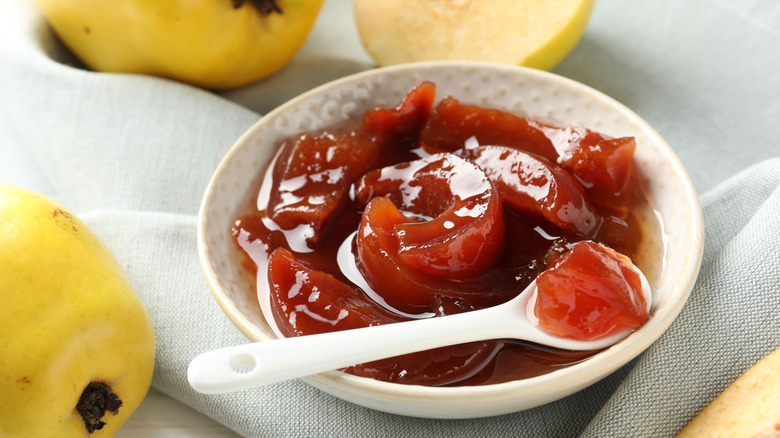
Quince, a fruit that belongs to the same family as apples and pears, is often considered a delicacy in many regions. In Pakistan, one of the most popular ways to preserve and enjoy quince is through making bahi murabba. This delicious treat is a part of traditional homemade preserves and is loved for its unique flavor and health benefits. Bahi murabba is not just a sweet preserve; it's also a source of nostalgia for many, reminding them of the sweet, tangy flavors that their grandmothers used to make in the winter months.
What is Quince?
Before diving into the process of making bahi murabba, it's important to understand the fruit itself. Quince is a hard, yellow fruit that is native to parts of Asia, the Mediterranean, and Western Asia. While it is rarely eaten raw due to its tough texture and sour taste, quince is prized for its ability to transform into a sweet, fragrant preserve when cooked.
Quince is rich in vitamin C, fiber, and antioxidants, making it a healthy addition to your diet. It also has a long history in traditional medicine, being used to aid digestion and reduce inflammation. The fruit has a unique flavor profile that combines tartness and sweetness, making it an ideal base for making murabbas, jams, and jellies.
Why Bahi Murabba?
The art of making bahi murabba has been passed down through generations, particularly in Pakistan. It’s not just a preserve; it’s a comfort food, often served alongside paratha or eaten as a treat after meals. What sets bahi murabba apart from other fruit preserves is its method of preparation and the slow cooking process that allows the quince to absorb the sugar and spices, enhancing its flavor.
The process of making quince murabba is straightforward but requires patience. The fruit is peeled, chopped, and then slowly simmered in a sugar syrup along with various spices, creating a thick, sweet, and slightly tangy preserve. The result is a rich, fragrant treat that can last for months when stored properly.
Health Benefits of Bahi Murabba
In addition to being a delicious treat, bahi murabba also boasts a variety of health benefits. Some of the key health advantages include:
-
Rich in Antioxidants
Quince is high in antioxidants, which help fight free radicals in the body. These antioxidants play a role in protecting the body from oxidative stress and inflammation, both of which can contribute to chronic diseases like heart disease and cancer.
-
Aids Digestion
The high fiber content in quince helps with digestion. It promotes healthy bowel movements and can be especially beneficial for people suffering from constipation or digestive issues.
-
Boosts Immunity
Packed with vitamin C, quince can help boost your immune system, making it easier for your body to fight off infections and illnesses. Regular consumption of bahi murabba can help you maintain a strong immune system.
-
Improves Skin Health
Quince is known for its anti-inflammatory properties, which can help soothe the skin. Applying quince-based products or consuming bahi murabba can promote healthy, glowing skin by reducing irritation and inflammation.
-
Supports Heart Health
Quince is heart-healthy due to its rich content of fiber, vitamin C, and antioxidants. It can help regulate cholesterol levels and blood pressure, reducing the risk of heart disease.
How to Make Bahi Murabba (Quince Preserve)
Making bahi murabba at home is a rewarding experience. It requires just a few simple ingredients, but the process is time-consuming, so it’s best to prepare it when you have some free time. Here’s a step-by-step guide to making your very own bahi murabba.
Ingredients:
-
1 kg quince (bahi)
-
500 grams sugar (adjust to taste)
-
2 cups water
-
1-2 cardamom pods
-
1 small stick of cinnamon
-
1 tablespoon lemon juice
-
A pinch of saffron (optional)
Instructions:
1. Preparing the Quince:
Start by washing the quince thoroughly to remove any dirt. Peel the quince using a vegetable peeler and remove the seeds. Slice the quince into small chunks or thin slices, depending on your preference. The smaller the pieces, the quicker they will cook.
2. Cooking the Quince:
In a large pan, add the chopped quince along with water. Bring it to a boil and then reduce the heat to medium. Let the fruit simmer for about 30 minutes until it softens. You should stir occasionally to prevent burning.
3. Adding Sugar and Spices:
Once the quince is soft, add the sugar to the pan. Stir well until the sugar dissolves completely. Add the cardamom, cinnamon stick, and lemon juice. If you like, you can also add saffron for a richer color and flavor. Stir everything together.
4. Simmering the Murabba:
Continue to cook the mixture over low heat, stirring occasionally. You’ll notice that the liquid begins to thicken as the sugar syrup forms. Keep cooking until the mixture has reduced by about half and the quince has absorbed the syrup. This should take around 45 minutes to an hour.
5. Checking the Consistency:
Once the syrup has thickened to your liking and the quince pieces are well-coated in the syrup, remove the pan from heat. The consistency should be sticky and syrupy but not runny.
6. Storing the Murabba:
Allow the bahi murabba to cool completely before transferring it to a clean glass jar or airtight container. Store the jar in a cool, dry place. It can last for several months when stored properly.
Serving Suggestions for Bahi Murabba
Bahi murabba is incredibly versatile. Here are some delicious ways to enjoy it:
-
Spread it on a slice of toast or paratha for a quick breakfast or snack.
-
Serve it as a side dish with your favorite curry to add a sweet and tangy contrast.
-
Mix it with yogurt for a refreshing dessert.
-
Use it as a filling for cakes or pastries.
-
Eat it on its own as a sweet treat after a meal.
Where to Buy Bahi Murabba in Pakistan?
If you're not into making bahi murabba at home, don't worry. You can easily find it in local markets and stores throughout Pakistan. Many traditional sweet shops sell homemade quince murabba, and you can also find packaged versions in grocery stores.
However, homemade bahi murabba is always the best, as it’s made with fresh ingredients and no preservatives. Plus, you have the freedom to adjust the sweetness and spice levels to suit your taste.
Conclusion
Bahi murabba is more than just a delicious treat; it’s a taste of tradition and history. In Pakistan, making quince murabba is a cherished tradition, and it brings people together, especially during the winter months. Whether you enjoy it with paratha, in yogurt, or simply on its own, quince murabba is a must-try.
So, next time you come across quince at the market, don't hesitate to try making bahi murabba. It's not only a treat for your taste buds but also a boost for your health.

 Everywhere
 Members
 Albums

 – Traditional Pakistani Recipe & Health Benefits)


 – Traditional Pakistani Recipe & Health Benefits)